
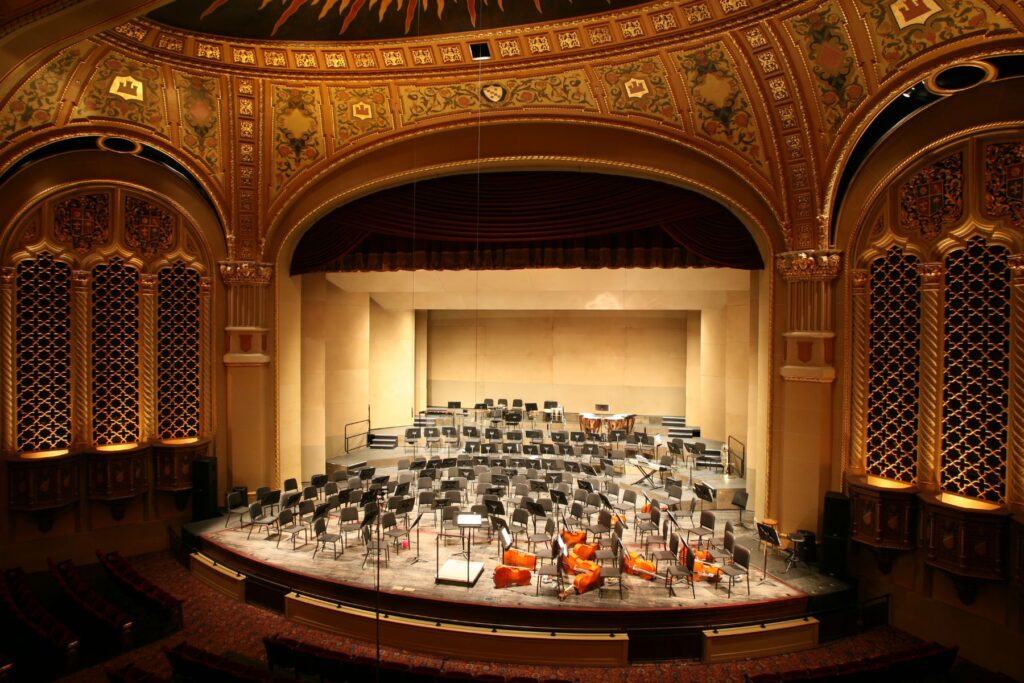
Kingston, Jamaica, often hailed as the heart of reggae music, has an incredibly rich and diverse musical history that spans centuries. The city’s evolution from a colonial outpost to a vibrant, globally recognized cultural hub has shaped the unique soundscape of Jamaica. From classical roots during the British colonial era to the rise of contemporary genres like reggae, dancehall, and beyond, Kingston’s music scene has witnessed a remarkable transformation.
Colonial Beginnings: Classical and Military Music
The foundation of Kingston’s music scene can be traced back to the colonial era, when the British brought their classical traditions to the island. In the 17th and 18th centuries, music in Jamaica was largely influenced by European styles, particularly those of the British elite. The British military presence also played a significant role in shaping the island’s musical culture. Military bands became a common feature of life in Kingston, performing for ceremonial events and public gatherings.
The establishment of institutions like the University of the West Indies and the Jamaican Constabulary Force Band in the 19th century further cemented the classical music tradition in Kingston. These institutions encouraged the study of Western music, and Jamaica saw a rise in orchestras, brass bands, and choral societies. While classical music was predominantly enjoyed by the island’s European elite, it also laid the groundwork for later musical developments, fostering a culture of formal music education that would evolve into more contemporary expressions.
The Emergence of Jamaican Folk Music: The Roots of Reggae
As the 19th century gave way to the 20th, Kingston’s musical landscape began to reflect the island’s complex social and cultural dynamics. The rise of Afro-Jamaican music in the early 20th century, rooted in African rhythms, indigenous influences, and European elements, marked a significant shift in the city’s music scene. The development of mento—a folk style that mixed African beats with European melodies—was one of the earliest forms of music to emerge from this new blend of cultural influences.
Mento, often described as Jamaica’s first indigenous genre, was popular in the rural areas but began to find its way into Kingston’s clubs and dancehalls. The genre laid the groundwork for what would eventually evolve into ska, rocksteady, and reggae. Kingston’s inner-city neighborhoods became the hotbeds for these new sounds, as young musicians sought to create music that resonated with the experiences of the Jamaican people.
The Rise of Ska and Rocksteady: Kingston as the Birthplace of Modern Jamaican Music
The 1950s and 1960s saw the emergence of ska, a genre that became the soundtrack to Kingston’s burgeoning urban youth culture. Ska was a fast-paced, up-tempo style of music that blended elements of jazz, rhythm and blues, and Caribbean folk music. The genre exploded in popularity in Kingston, thanks to the development of sound system culture, which gave DJs the opportunity to play records at parties and dances. Artists like Prince Buster, Toots and the Maytals, and The Skatalites were at the forefront of the ska movement, and their music gained popularity both in Jamaica and internationally.
As ska evolved into rocksteady in the mid-1960s, Kingston became the center of this new sound, which was characterized by slower tempos and a more soulful feel. Rocksteady gave birth to iconic artists like Alton Ellis, The Paragons, and The Heptones. These artists, alongside the development of the reggae beat, began to solidify Kingston’s position as the epicenter of Jamaican music.
Reggae: The Global Explosion of Kingston’s Music Scene
The late 1960s and early 1970s marked the arrival of reggae, a genre that would become synonymous with Kingston. Reggae’s evolution was shaped by the merging of the rocksteady beat with Rastafarian themes, political consciousness, and a deeper connection to the roots of African heritage. This period saw the emergence of some of the most iconic names in music, including Bob Marley, Peter Tosh, and Bunny Wailer.
Bob Marley’s impact on Kingston’s music scene cannot be overstated. His unique blend of reggae rhythms, spiritual lyrics, and social commentary made him a global ambassador for Jamaican music. Marley’s music, including classics like “No Woman, No Cry” and “One Love,” transcended local borders and brought Kingston’s reggae culture to the world stage. The popularity of reggae led to the establishment of Kingston as a cultural capital for not just Jamaica, but the entire Caribbean.
Dancehall and the Evolution of Kingston’s Urban Sound
By the late 1970s and early 1980s, the music scene in Kingston began to shift once more with the rise of dancehall. While reggae maintained its popularity, dancehall offered a faster, more bass-heavy sound that catered to the urban youth of Kingston. DJs and MCs began to dominate the dancehall scene, with artists like Yellowman, Shabba Ranks, and Super Cat leading the way. The genre incorporated elements of hip-hop, R&B, and dub, and became a space where Jamaican youth could express themselves through rapping, toasting, and live performances.
Dancehall’s influence quickly spread beyond Kingston, reaching new audiences in the United States, Europe, and Africa. The genre’s roots in reggae and its focus on street culture made it the perfect soundtrack for Kingston’s growing urban identity. By the 1990s, dancehall had evolved once again, incorporating digital beats and more electronic sounds, with artists like Beenie Man, Bounty Killer, and Sean Paul further shaping the global recognition of Kingston’s musical legacy.
Contemporary Kingston: A Hub for Global Music Innovation
Today, Kingston’s music scene is as diverse and vibrant as ever. While reggae and dancehall remain central to the city’s identity, Kingston has become a global hub for music innovation. Contemporary Jamaican artists continue to experiment with new sounds, blending traditional reggae with pop, hip-hop, and EDM, while still drawing on the deep cultural influences that have shaped Kingston’s music for centuries.
Kingston’s music scene now includes a wide range of genres, from reggae fusion and dubstep to hip-hop and gospel. Artists like Chronixx, Protoje, and Koffee have led a resurgence in conscious, roots-based reggae, while others explore more experimental and genre-blending approaches. Kingston’s sound systems and music festivals, such as Reggae Sumfest and Jamaica Jazz & Blues Festival, continue to attract international audiences and artists alike.
Conclusion
From its colonial classical origins to its position as the birthplace of reggae, dancehall, and contemporary music innovation, Kingston’s music scene has evolved into one of the most influential in the world. The city’s diverse cultural heritage, combined with its unique blend of African, European, and Caribbean influences, has allowed it to remain at the forefront of global music culture. As Kingston continues to shape the future of music, its history serves as a testament to the power of creativity and the resilience of a city that has always found its voice through song.